

Air Cargo Efficiency Emerges as a Key Priority as Global Supply Chains Adapt to New Challenges
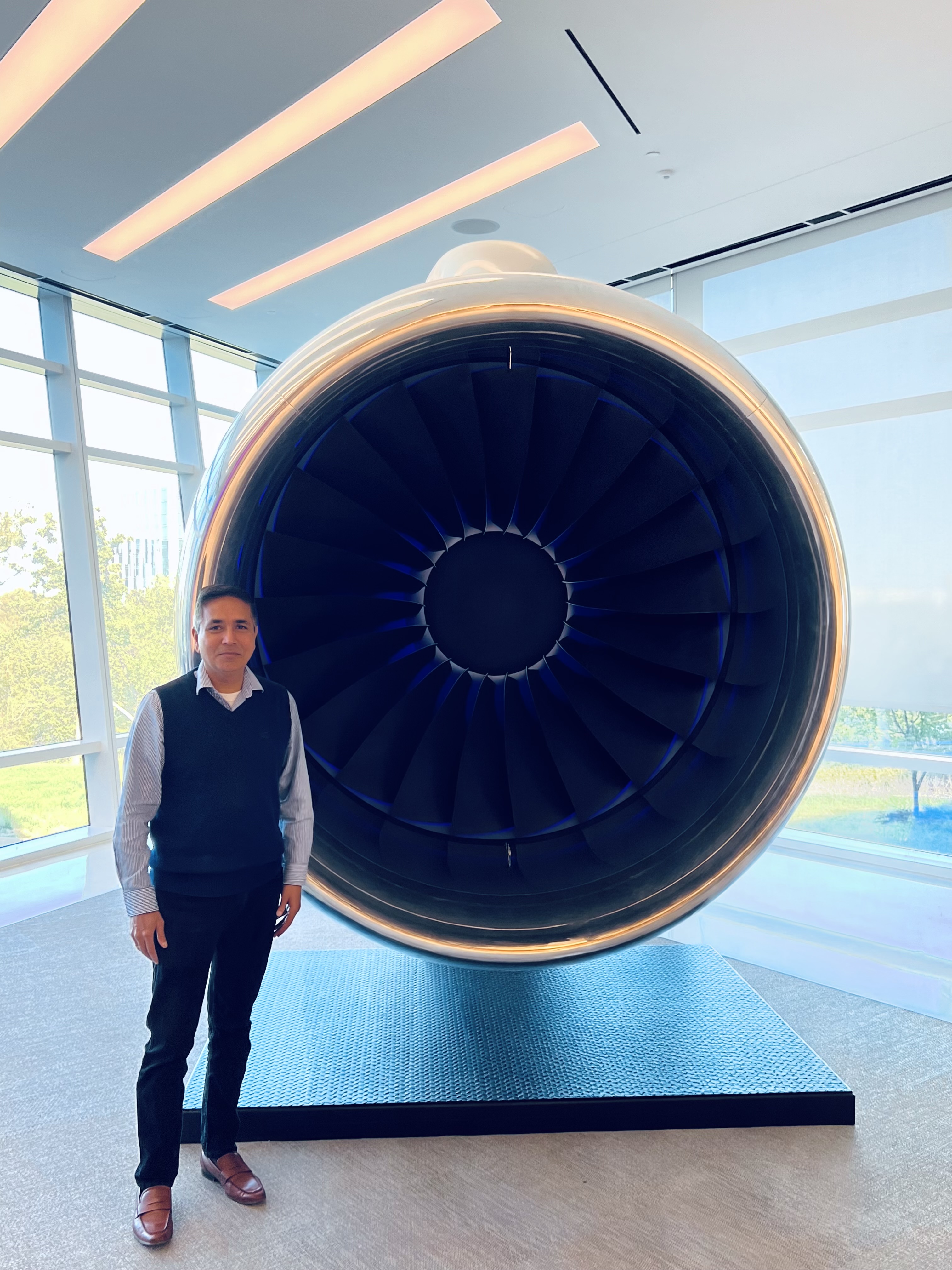
Surya Kiran Puppala discusses the growing importance of efficiency, technology, and innovation in the future of global air cargo operations.
Aviation expert Surya Kiran Puppala discusses technology and innovation shaping the future of global air logistics
COPPELL, TX, UNITED STATES, July 27, 2026 /EINPresswire.com/ -- The air cargo industry is facing increasing pressure to improve efficiency as global trade continues to evolve. Companies, airports, and logistics operators are focusing on better processes, technology integration, and stronger supply chain coordination to meet growing demands for speed, reliability, and cost control.
Surya Kiran Puppala, an aviation and logistics professional with more than 29 years of experience in cargo operations, airport management, and global logistics processes, explains that operational efficiency has become a critical factor for the future of air transportation.
“Air cargo operations depend on accurate planning, coordination, and effective processes. Every step of the supply chain must work together to ensure goods move safely and efficiently,” said Puppala.
The growth of international commerce, e-commerce, and global supply networks has increased the importance of air logistics. Many industries depend on reliable air transportation for products that require speed, security, and careful handling.
While passengers often see only the aircraft and airport experience, air transportation relies on a complex network of operational activities, including cargo planning, equipment management, safety procedures, quality control, and coordination between multiple teams.
“Many of the activities that support aviation happen behind the scenes, but they are essential to maintaining reliable operations. Strong processes and trained professionals help reduce disruptions and improve performance,” Puppala said.
Technology and data are changing air logistics
Technology has become an important part of modern logistics operations. Digital tools, artificial intelligence (AI), real-time monitoring systems, and data analysis are helping companies identify challenges faster and make better operational decisions. AI-powered solutions can support demand forecasting, route optimization, resource allocation, and predictive maintenance, helping organizations improve efficiency across the supply chain.
In addition, Internet of Things (IoT) tracking technologies are providing greater visibility throughout cargo movements. Sensors and connected devices allow operators to monitor shipment location, temperature, handling conditions, and transit status in real time, improving transparency and reducing the risk of delays or cargo disruptions.
According to Puppala, the ability to analyze information and respond quickly has become increasingly important in a global environment where supply chains can be affected by many factors.
“Data allows organizations to understand operational trends, identify opportunities for improvement, and create more predictable logistics processes,” he explained.
The industry is also working to balance operational speed with cost efficiency and sustainability goals. As companies look for ways to improve performance, many are focusing on process optimization, AI-driven decision support, and reducing unnecessary movements or delays through enhanced visibility provided by IoT-enabled tracking systems.
“Efficiency is not only about moving more cargo. It is about creating smarter processes that improve reliability while using resources more effectively,” said Puppala.
The importance of skilled professionals in aviation operations
As air cargo networks become more complex, professionals with experience in operations management, logistics planning, international coordination, and emerging technologies play an important role in maintaining system performance.
The aviation sector requires specialists who understand both technical operations and the challenges of managing global networks. From cargo handling and process improvement to implementing AI-driven analytics and IoT-based tracking solutions, these professionals support the systems that allow businesses to connect with markets around the world.
“Air transportation is a highly connected industry. Successful operations depend on cooperation between people, technology, and organizations across different regions,” Puppala said.
The continued growth of global trade is expected to increase demand for efficient logistics solutions. Industry professionals note that improving operational processes, investing in advanced technologies such as AI and IoT, and developing skilled teams will remain important priorities for the air cargo sector.
As supply chains become more dependent on speed and reliability, air logistics continues to play a strategic role in supporting businesses, industries, and consumers worldwide.
Samantha di Khali
Samantha di Khali Comunica
+55 11 97827-7567
email us here
Legal Disclaimer:
EIN Presswire provides this news content "as is" without warranty of any kind. We do not accept any responsibility or liability for the accuracy, content, images, videos, licenses, completeness, legality, or reliability of the information contained in this article. If you have any complaints or copyright issues related to this article, kindly contact the author above.
